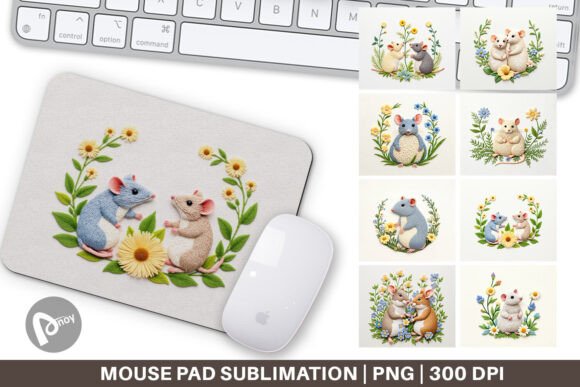
Mouse Pad Rat Embroidery Review
A Playful Yet Professional Branding Asset for Small Businesses
As an embroidery designer who’s digitized over 2,000 logos for cafés, boutiques, pet brands, and handmade studios, my first impression of Mouse Pad Rat Embroidery is refreshingly balanced: it reads as friendly, bold, and intentionally playful—not cartoonish or overly casual. The title hints at lighthearted creativity (a rat motif on a mouse pad), but the description—“Attractive and creative design to beautify your work desk or gaming room and increase productivity and comfort”—signals thoughtful intent. For small business owners choosing branded patches or uniform accents, that duality matters: it’s approachable enough for a local florist’s apron, yet distinctive enough to anchor a craft studio’s Etsy merch line.
Real-World Performance Across Merchandise Types
Mouse Pad Rat Embroidery works especially well as an embroidered patch for tote bags, denim jackets, and staff aprons. Its illustrative style—rooted in the Illustrations category—translates cleanly into stitch-based interpretation when digitized properly. On a café’s canvas tote bag, it adds character without overwhelming; on a boutique’s sleeve detail, it becomes a subtle conversation starter. As Graphics, it’s inherently scalable, making it adaptable for cap embroidery (front or side) and chest-logo placement on custom apparel.
For product packaging accents—say, stitched onto kraft paper gift tags or reusable produce bags—the design delivers visual consistency while reinforcing handmade product charm. It also shines in event merch: think embroidered patches handed out at a local maker fair or pet-themed pop-up. When used alongside other design assets (like a matching logo or monogram), Mouse Pad Rat Embroidery strengthens brand identity by offering a secondary, expressive touchpoint—especially valuable for businesses that want to feel human-centered, not corporate.
Where to Use It Thoughtfully—Not Everywhere
Like any digital embroidery file, Mouse Pad Rat Embroidery has smart application boundaries. Avoid placing it on cap fronts smaller than 2.5 inches wide unless you’ve tested its legibility at that scale—fine outlines or tight internal details may blur or vanish. Similarly, curved surfaces (like structured trucker caps or rounded tote bag corners) require careful digitizing to prevent distortion; always confirm hoop size compatibility before production.
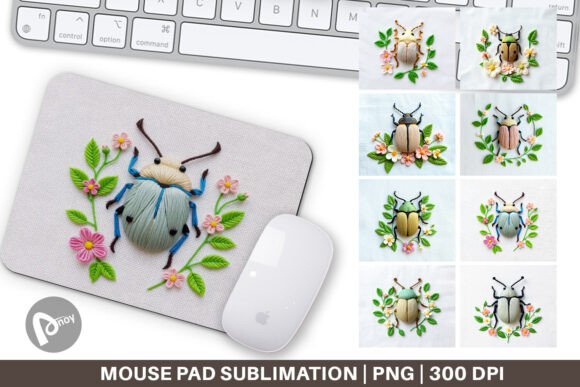
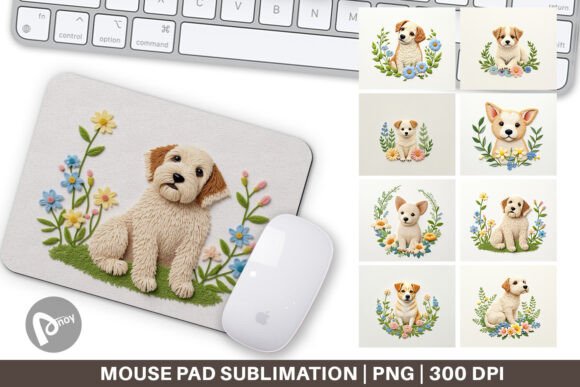
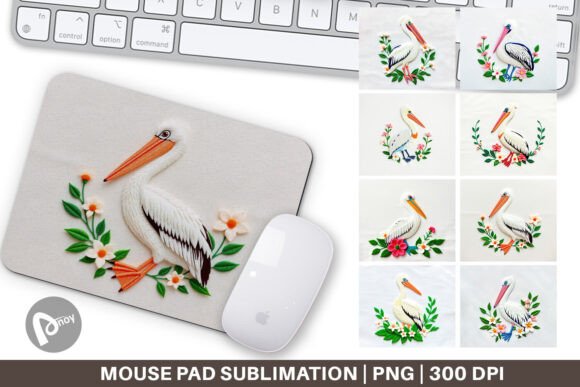
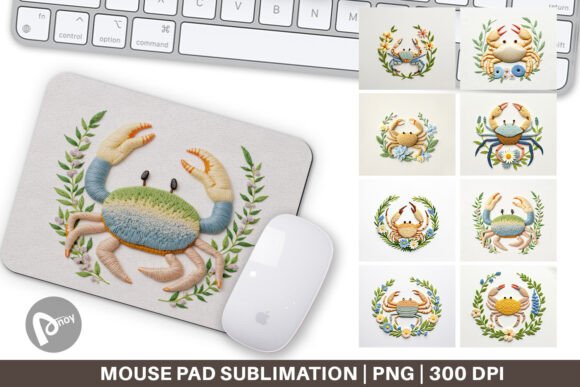
High stitch density isn’t specified in the description, but because it’s delivered as a PNG file set (8 files, 9.5 x [incomplete dimension]), assume some versions may include intricate linework. That means extra caution on textured fabric (like burlap aprons or looped cotton towels) or dark uniforms—thread color contrast becomes critical. And if your small business merch includes items meant for frequent washing (e.g., staff aprons), verify that the final stitch density supports durability—not just aesthetics.
How It Shapes Brand Identity & Customer Trust
Small business customers don’t just buy products—they connect with personality. Mouse Pad Rat Embroidery helps communicate authenticity: it feels hand-drawn, intentional, and slightly unexpected—ideal for a bakery with whimsical branding or a pet wellness brand that avoids cliché paw prints. Used consistently across aprons, tote bags, and staff caps, it builds recognition faster than text-only logos alone. More importantly, it signals attention to detail: when customers see a well-executed embroidered patch, they subconsciously associate your brand with care, craftsmanship, and professionalism—even before reading your tagline.
That perceived value lifts your entire product line. A $28 linen apron with Mouse Pad Rat Embroidery as a chest accent reads premium. A $14 canvas tote with the same design feels like a curated keepsake—not disposable swag. For Etsy sellers and crafters, that emotional resonance directly impacts buyer engagement and repeat purchases.
Practical Embroidery Designer Notes Before You Digitize
Before turning Mouse Pad Rat Embroidery into a machine embroidery design, follow these field-tested steps:
- Test it in black and white first. Convert the PNG to grayscale to assess contrast and silhouette clarity—this reveals whether fine elements will survive stitching.
- Check small-patch viability. Resize the design to 1.75” x 1.75” and zoom in: can you still distinguish key features? If not, simplify outlines during digitizing.
- Review thread color contrast. Especially on dark fabrics—test stitch-outs using matte poly or rayon threads that minimize glare without sacrificing definition.
- Inspect spacing and underlay. Tight curves or overlapping shapes in the original illustration may need added underlay stitches to prevent puckering on lightweight fabrics.
- Confirm hoop size and stabilizer needs. Since dimensions are listed as “9.5 x” (incomplete), measure the longest axis of your chosen PNG file—and match it to standard hoops (e.g., 4x4”, 5x7”). Use cutaway stabilizer for knits or stretchy tote fabrics; tear-away works well for stable cottons.
- Create a printable mockup for client approval. Layer the PNG over real product photos (caps, aprons, totes) so your small business client sees context—not just a flat graphic.
- Compare it beside other design assets. Does it harmonize with your existing logo, typography, or color palette—or does it clash tonally?
- Confirm commercial licensing before business use. The listing states “YOU WILL RECEIVE PNG FILE”—but verify whether this grants rights for resale, promotional use, or physical product branding. When in doubt, contact the seller directly.
Final Thought: A Strategic Creative Choice
Mouse Pad Rat Embroidery isn’t just decoration—it’s a versatile, personality-forward tool for small business merch. When applied with intention—as an embroidered patch, cap accent, or apron signature—it elevates handmade presentation, deepens customer connection, and quietly reinforces professionalism. For embroidery shops and apparel decorators, it’s a low-risk, high-character addition to your digital embroidery file library. Just remember: great embroidery starts with smart review, not just pretty pixels. Test, adapt, stabilize, and align—then let the rat do the rest.